
Balloon Payment Car Finance: Smart Tips to Save Big Today
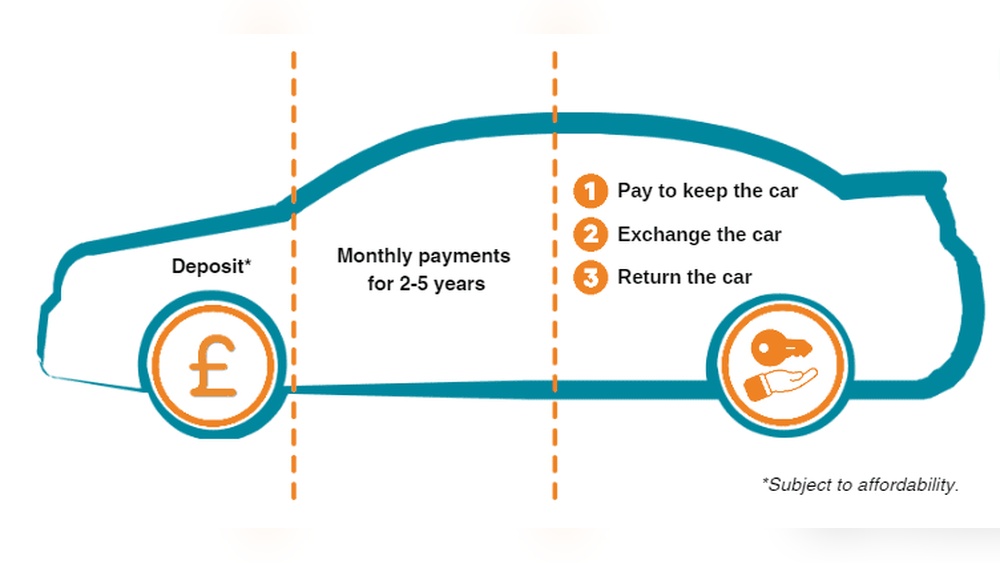
Thinking about financing a car but worried about high monthly payments? Balloon payment car finance might be the solution you’ve been searching for.
It lets you enjoy lower monthly payments by postponing a large lump sum, called the balloon payment, until the end of your loan term. But is this approach right for you? Understanding how balloon payments work can save you from unexpected costs and help you make smarter financial choices.
Keep reading to discover how balloon payment car finance works, the options you have when the big payment comes due, and whether it’s a good fit for your budget and lifestyle. Your next car could be closer than you think!
Balloon Payment Basics
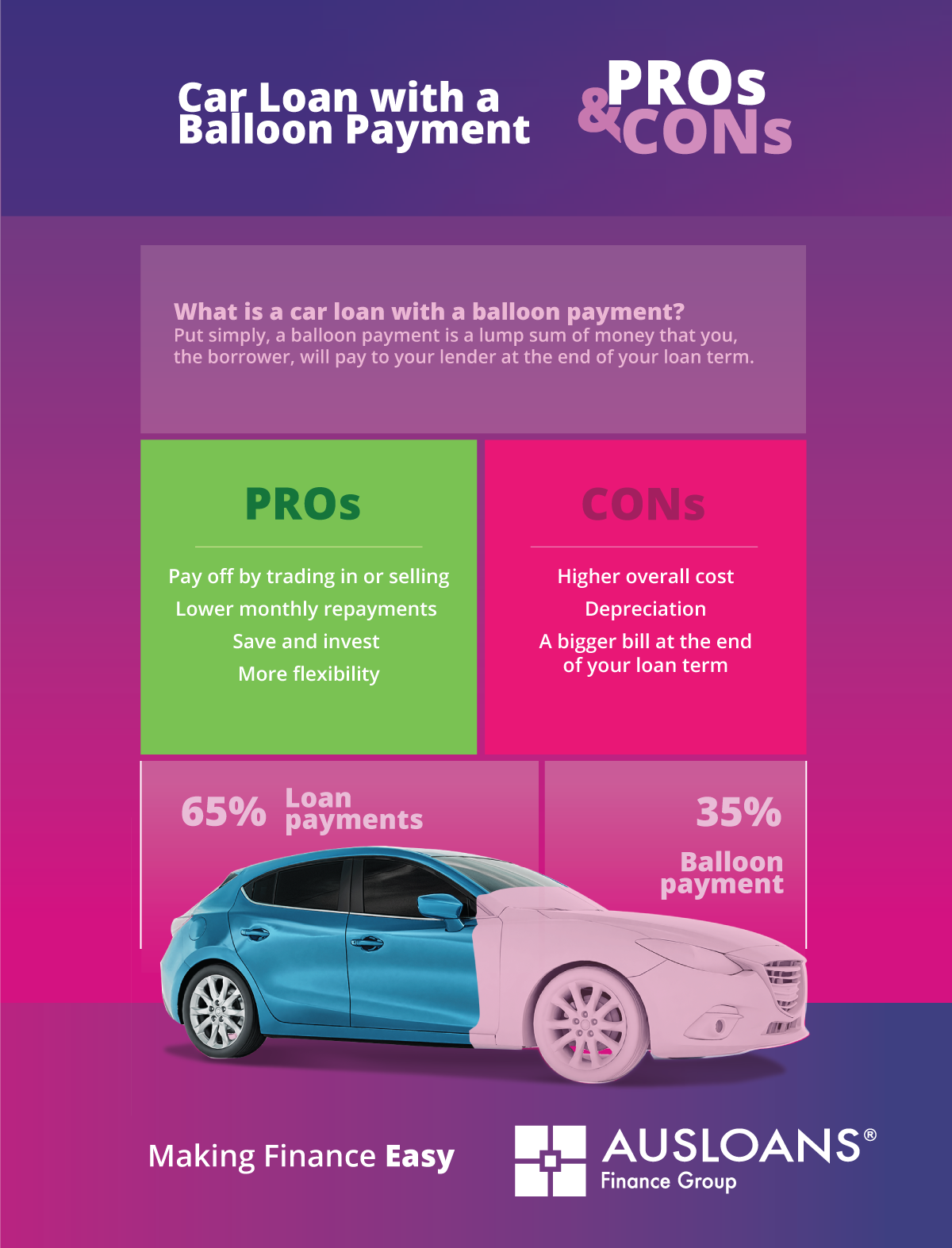
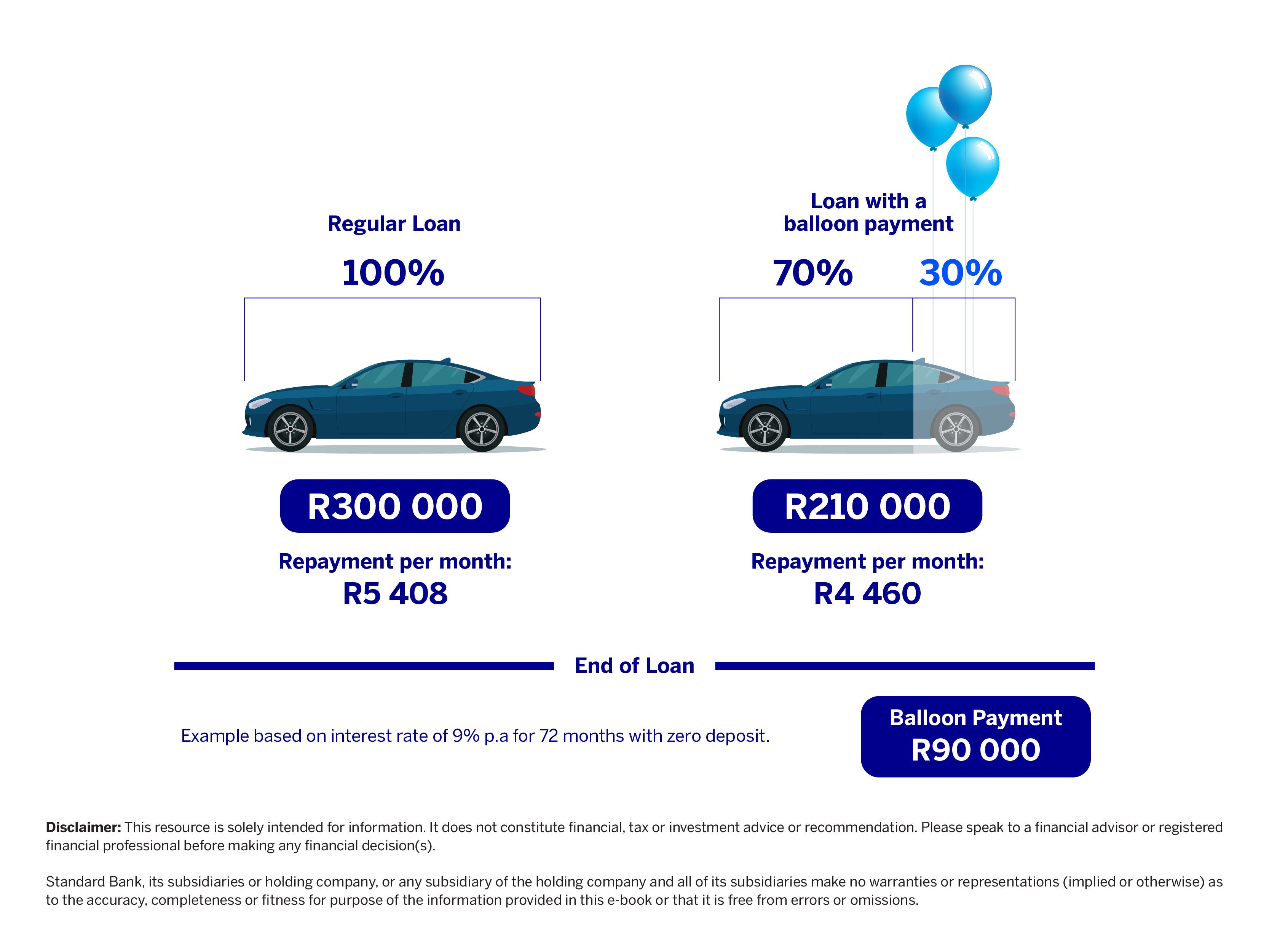
A balloon payment is a large, final payment in car finance. It comes after smaller monthly payments over the loan term. This payment covers the remaining loan balance.
The balloon amount is often set as a percentage of the car’s value at the end of the loan. It helps keep monthly payments low. Buyers can pay the balloon in full, refinance it, or trade in the car.
| Balloon Payment Percentage | Typical Range |
|---|---|
| Low | 20% – 30% |
| Medium | 30% – 50% |
| High | 50% – 60% |
This structure is common in car financing. It offers lower monthly payments but requires planning for the balloon payment later.
:max_bytes(150000):strip_icc()/balloon-payment.asp-FINAL-1-81d896d1eb4a4aa2a943b486b77a5a40.png)
Benefits Of Balloon Payment Car Finance
Lower monthly payments make car finance easier to manage. Payments stay smaller because a big part is due later. This helps people with tight budgets afford better cars.
Flexible end-of-term options allow you to decide what happens next. Pay the balloon amount in full, trade the car, or refinance the balance. This choice gives more control over your finances.
Potential equity advantages occur if the car’s value is higher than the balloon payment. You can keep the car for less than its worth or sell it for a profit. This may save money or build equity over time.
Risks To Consider
Paying off the balloon requires planning. You must save money for the large final payment. Some people pay the balloon in full to own the car outright. Others may not have the lump sum ready.
Refinancing strategies help spread the cost. You can refinance the balloon amount into a new loan. This lowers monthly payments but may extend your debt period. Always check the new interest rates and terms carefully.
Trading in or selling your car can cover the balloon payment. If the car’s value is high, selling it might pay off the balloon. Trading in the vehicle at a dealer can also help, but check the trade-in offer first. Sometimes you may owe more than the car’s worth.
Managing Balloon Payments
Calculate total loan costs by adding all monthly payments and the balloon payment. This shows the real price of your car finance. Choose vehicles with strong resale value. Cars that keep value help reduce the balloon payment impact. You may sell or trade the car later for a good price.
Plan your final payment early. Start saving money for the balloon amount months before it is due. Check if refinancing the balloon payment is possible. This can make the final payment easier and less stressful.
Frequently Asked Questions
Is It Worth Paying A Balloon Payment On A Car?
Paying a balloon payment can be worth it if the car’s market value exceeds the balloon amount. This means you buy below market price. Ensure you have the lump sum available or consider refinancing. Balloon payments carry risk if the car depreciates faster than expected.
What Is The $3000 Rule For Cars?
The $3000 rule for cars suggests avoiding vehicles priced under $3,000 due to high repair costs and poor reliability.
Is A Balloon Payment A Good Idea On A Car?
A balloon payment on a car offers lower monthly payments but requires a large lump sum later. It suits buyers with good cash flow or those who plan to refinance or trade in the car. Risks include owing more than the car’s value if it depreciates faster than expected.
Can You Finance A Balloon Payment On A Car?
Yes, you can finance a balloon payment on a car by refinancing the remaining balance into a new loan.
Conclusion
Balloon payment car finance offers lower monthly costs at first. You pay a large lump sum at the end of the loan. This option suits those who expect to refinance or sell their car later. It helps manage monthly budgets but requires planning for the final payment.
Knowing your car’s value and your finances is crucial. Balloon payments can be risky if the car’s worth drops. Weigh the pros and cons carefully before choosing this finance type. Being informed leads to smarter decisions and less stress.
Read More
- International Driving Permit Guide: Essential Tips for Global Travel
- Brake Replacement Cost Estimate: Save Big with These Expert Tips
- Electric Vehicle Battery Replacement: Cost, Tips, and Lifespan Guide
- Preventive Car Maintenance Checklist: Essential Tips for Longevity
- Commercial Driver Insurance Rates: How to Save Big in 2026
- Driver License Renewal Online: Quick, Easy, and Stress-Free Steps
- High Mileage Driver Insurance: Save Big with Smart Coverage Choices
- Winter Driving Safety Tips: Essential Strategies for Cold Roads
- Delivery Driver Insurance Coverage: Essential Protection Tips
- Advanced Driving Lessons Cost: Ultimate Guide to Affordable Excellence
