
Winter Driving Safety Tips: Essential Strategies for Cold Roads
Winter roads can be tricky, even if you’re an experienced driver. Snow, ice, and freezing temperatures change the way your car handles, and one wrong move can lead to dangerous situations.
But here’s the good news: with the right tips and a bit of preparation, you can stay safe and confident behind the wheel all winter long. In this guide, you’ll discover simple yet powerful winter driving safety tips that protect you, your passengers, and everyone on the road.
Keep reading to learn how to avoid common hazards, prepare your vehicle, and drive smart when the temperature drops. Your safety matters—let’s make sure you get where you’re going without a hitch.
Pre-trip Vehicle Checks
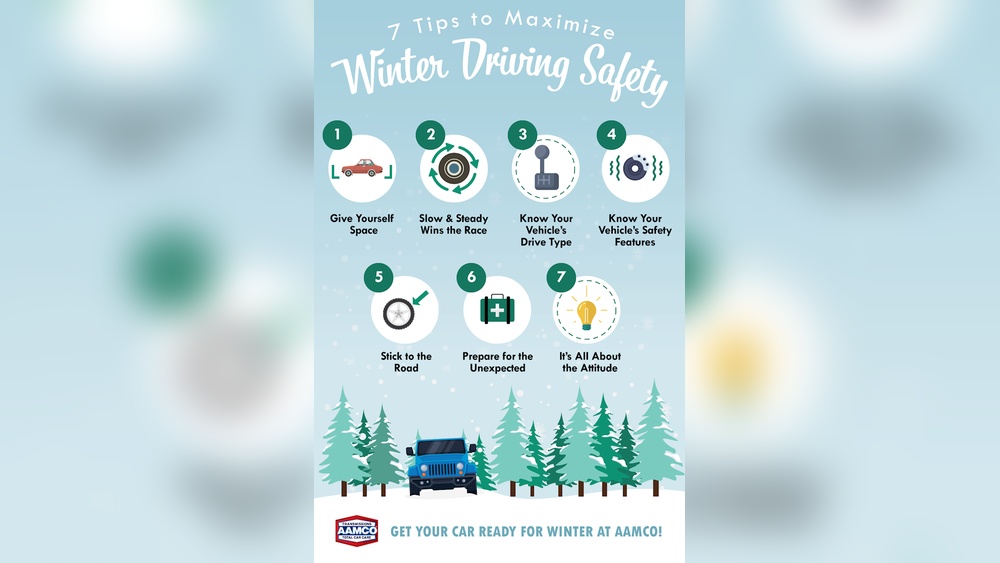
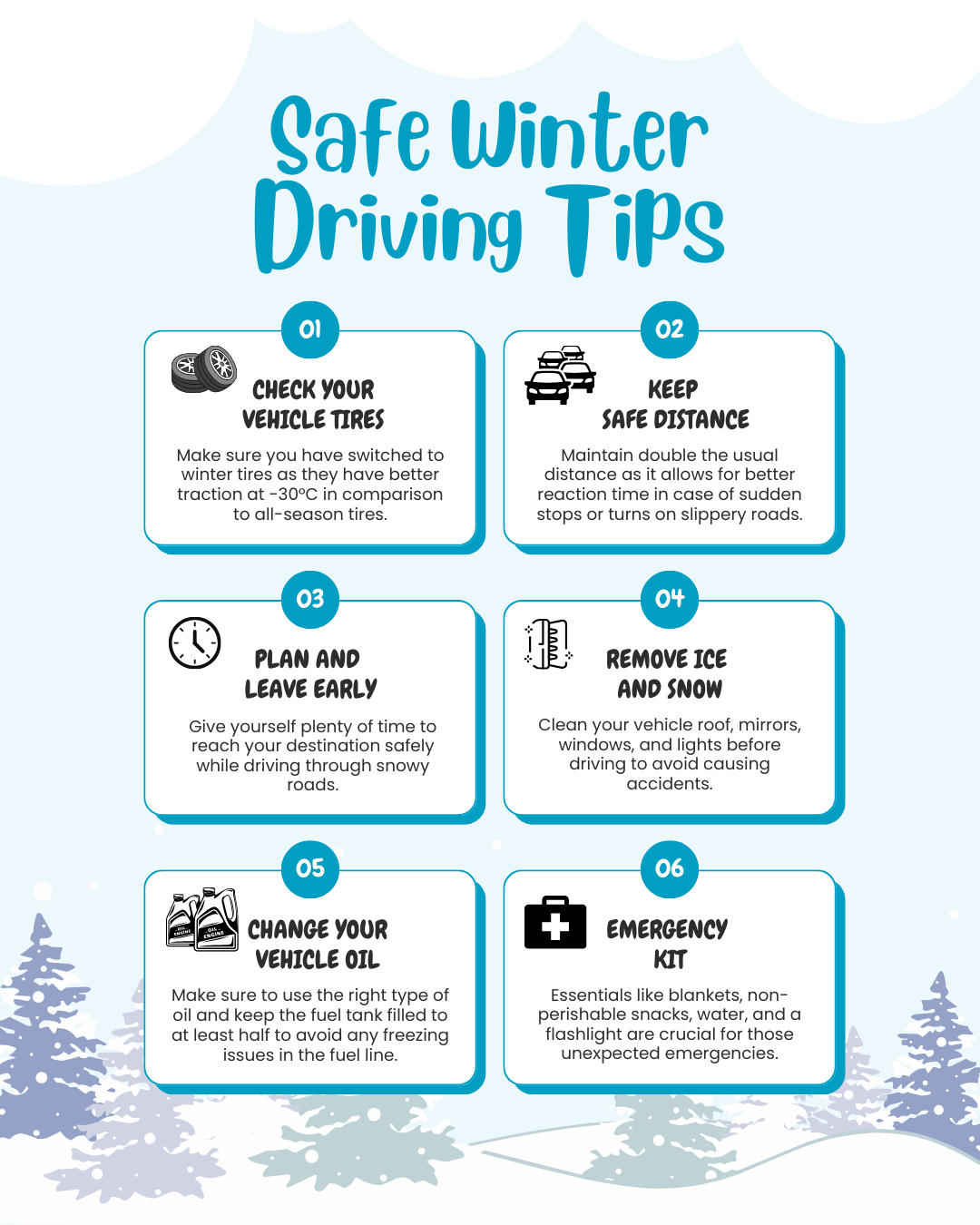
Check tires for proper tread depth and pressure before every trip. Consider using winter tires with the snowflake symbol for better grip on icy roads. Inspect tires for any visible damage or uneven wear that could affect safety.
Make sure windshield wipers are in good condition and replace them if streaking occurs. Use winter washer fluid that won’t freeze in cold temperatures to keep your windshield clear.
Clear all snow and ice from windows, mirrors, lights, and the roof. This prevents blocked views and avoids snow flying off while driving, which can be dangerous for others.
Prepare an emergency kit including a scraper, jumper cables, warm blanket, flashlight, small shovel, and sand or kitty litter for traction. This kit can be a lifesaver during unexpected winter delays or breakdowns.

Driving Techniques On Snow And Ice
Slow down before you accelerate on snow or ice. Press the gas pedal gently to avoid spinning tires. This helps keep control and saves fuel.
Brake and steer separately. Avoid braking while turning; this can cause you to skid. Slow down before curves and steer smoothly through them.
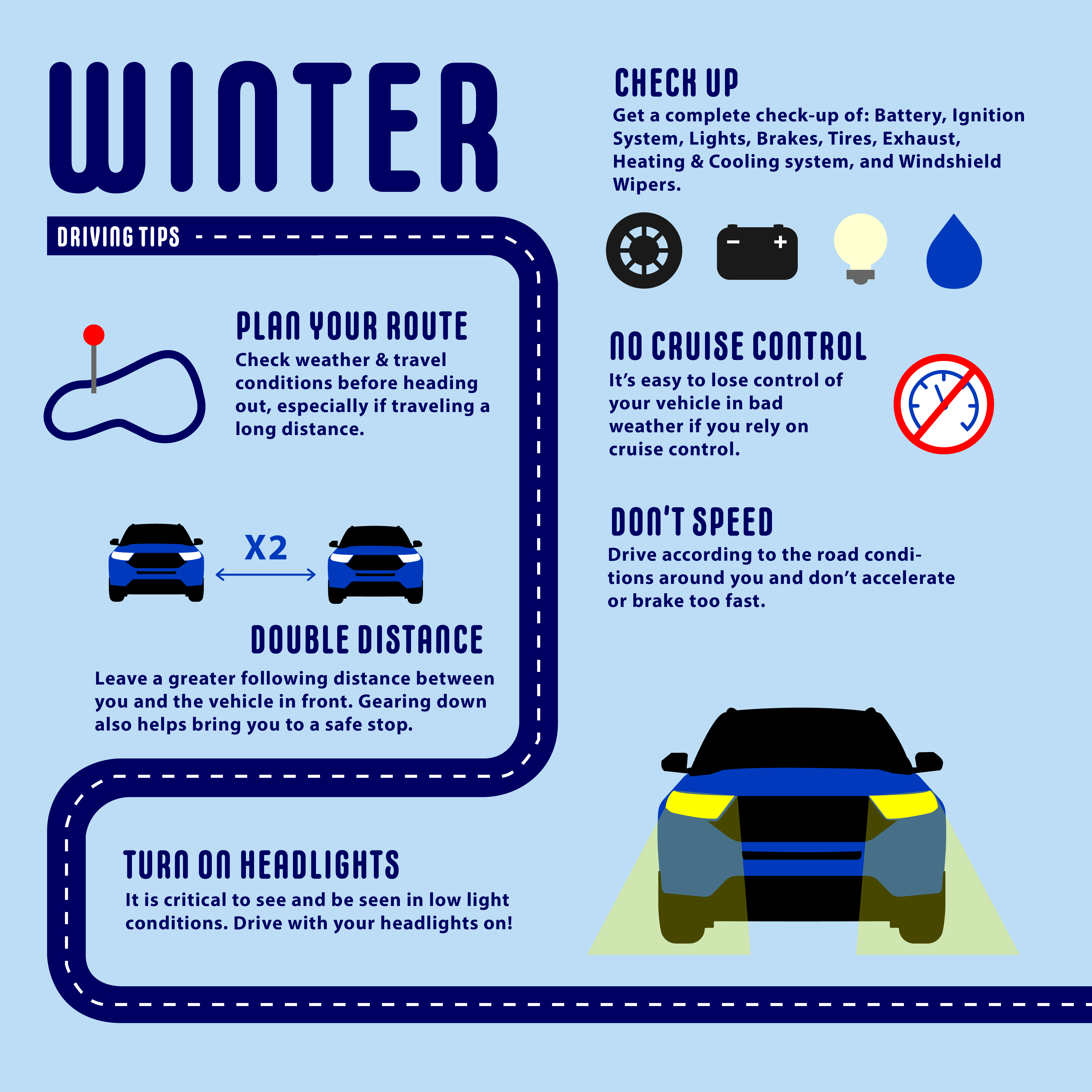
Never use cruise control on icy or snowy roads. It can make your car harder to control and increase the chance of accidents.
If your car starts to skid, stay calm. Turn the steering wheel in the direction of the skid. Do not slam on the brakes. Let your car slow down naturally.
Managing Road Hazards
Black ice is very thin and hard to see. It often forms on bridges, overpasses, and shaded roads. Drive slowly and avoid sudden moves to stay safe. If your car starts to slide, steer gently in the slide’s direction to regain control.
Keep a safe distance from snow plows. These vehicles travel slowly and may drop snow or ice. Stay well behind and never try to pass on the right side. Snow plows clear the roads but leave slippery patches behind.
When climbing hills, apply steady power to avoid spinning wheels. Avoid stopping on the hill if possible. For descending, use low gears and brake gently to keep control. Sudden braking can cause skids on icy slopes.
Reduced visibility happens in snow or fog. Use low beams and keep windows clear. Drive slowly and watch the road edges. Avoid using high beams; they reflect light and blur vision.
Emergency Preparedness While Driving
Carry an extra blanket or coat to stay warm if stranded. Wear bright or reflective clothing to stay visible to rescuers and other drivers. Use traction aids like sand, kitty litter, or traction mats under your tires to help move your car on ice or snow. Keep a charged phone to call for help and let someone know your exact location. Stay inside your vehicle to avoid frostbite or hypothermia. Run the engine only briefly to keep warm and clear snow from the exhaust pipe to prevent carbon monoxide buildup. Keep windows slightly open to allow fresh air. Use your car’s hazard lights or tie a bright cloth to your antenna or door handle to signal for help. Remaining calm and prepared can make a big difference during an emergency.
Maintaining Control In Challenging Conditions
Steering on icy roads requires gentle, smooth movements. Avoid sharp turns to keep control. Keep your hands on the wheel firmly but relaxed. Small adjustments help prevent sliding.
Braking on slippery surfaces means using slow, steady pressure. Sudden braking can cause skidding. Use your vehicle’s anti-lock braking system (ABS) if available. If no ABS, pump brakes gently.
Managing acceleration on snow is all about being gentle. Press the gas pedal lightly to avoid wheel spin. Slow and steady acceleration helps maintain traction and control.
Avoid sudden movements. Quick actions like sharp steering, hard braking, or fast acceleration can lead to loss of control. Smooth, gradual inputs keep the car stable on winter roads.
Frequently Asked Questions
What Are The 3 P’s Of Winter Driving?
The 3 P’s of winter driving are Prepare, Protect, and Prevent. Prepare your vehicle and route. Protect yourself with proper gear. Prevent accidents by driving cautiously.
What Is The 7 7 Rule For Winter Tires?
The 7 7 rule for winter tires means replacing tires if tread depth is below 7/32 inch and maintaining pressure at 7 psi above normal.
What Are The 4 P’s Of Winter Safety?
The 4 P’s of winter safety are Prepare, Protect, Prevent, and Perform. Prepare by checking gear and weather. Protect yourself with proper clothing. Prevent accidents by driving cautiously. Perform emergency actions calmly if needed.
What Are 5 Tips For Driving In The Snow?
1. Equip your car with winter tires for better traction. 2. Drive slowly and maintain extra distance from other vehicles. 3. Avoid sudden braking or sharp turns to prevent skidding. 4. Clear all snow and ice from windows and mirrors before driving.
5. Keep an emergency kit with blankets, shovel, and jumper cables.
Conclusion
Safe winter driving takes care and attention every time you hit the road. Prepare your vehicle well before driving in snow or ice. Drive slowly and keep plenty of space between cars. Watch carefully for black ice and avoid sudden moves.
Always stay alert around snow plows and give them extra room. These simple steps help protect you and others during winter trips. Stay safe, stay calm, and drive smart this winter season.
Read More
- International Driving Permit Guide: Essential Tips for Global Travel
- Brake Replacement Cost Estimate: Save Big with These Expert Tips
- Electric Vehicle Battery Replacement: Cost, Tips, and Lifespan Guide
- Preventive Car Maintenance Checklist: Essential Tips for Longevity
- Commercial Driver Insurance Rates: How to Save Big in 2026
- Driver License Renewal Online: Quick, Easy, and Stress-Free Steps
- High Mileage Driver Insurance: Save Big with Smart Coverage Choices
- Delivery Driver Insurance Coverage: Essential Protection Tips
- Balloon Payment Car Finance: Smart Tips to Save Big Today
- Advanced Driving Lessons Cost: Ultimate Guide to Affordable Excellence
