
Electric Vehicle Battery Replacement: Cost, Tips, and Lifespan Guide
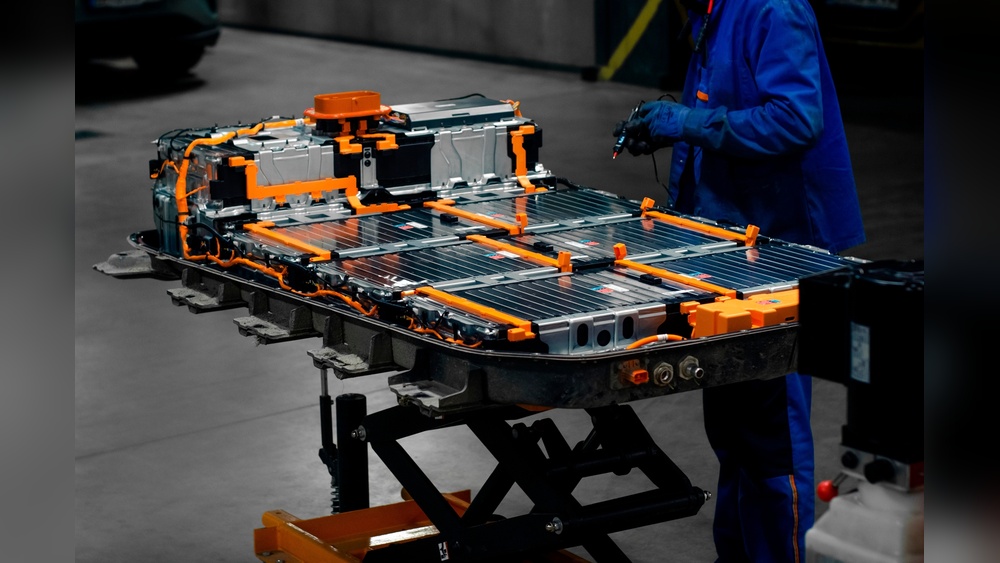
If you own an electric vehicle, you might be wondering what happens when its battery starts to lose power. Your EV’s battery is the heart of your car, and knowing when and how to replace it can save you time and money.
You’ll learn everything you need about electric vehicle battery replacement—from costs to signs it’s time for a new battery, and tips to extend its life. Keep reading to make sure your EV stays on the road longer and runs smoothly without surprises.
Battery Replacement Costs
The average price for electric vehicle battery replacement ranges from $3,000 to $7,000. Costs vary based on the vehicle model and battery size. Some smaller EVs may have lower prices, while luxury models can be more expensive.
Factors affecting cost include battery capacity, brand, and labor charges. Older batteries might cost more due to limited availability. Location and service center rates also impact the total price.
| Factor | Impact on Cost |
|---|---|
| Battery Size | Larger batteries cost more to replace |
| Vehicle Model | Luxury EVs have higher replacement costs |
| Labor Charges | Service fees vary by location and shop |
| Battery Age | Older batteries may be pricier |
Warranty and insurance options can reduce expenses. Many EVs come with a battery warranty lasting 8 to 10 years. Some insurance plans cover battery replacement, lowering out-of-pocket costs.
Battery Lifespan
Electric vehicle batteries usually last between 8 to 15 years. Most batteries keep good power for about 100,000 miles. Over time, battery capacity drops and range shortens. This is normal wear.
Signs your battery needs replacement include faster charging times, less driving range, and warning lights on the dashboard. If the car stops holding charge, it may be time to replace the battery.
Driving habits greatly affect battery life. Frequent fast charging and deep discharges reduce lifespan. Keeping the battery between 20% and 80% charge helps it last longer. Extreme heat or cold can also damage the battery.
Replacement Process
Start by finding a certified service center for your electric vehicle. Certified centers have trained technicians and proper tools. This helps ensure your battery is replaced safely and correctly.
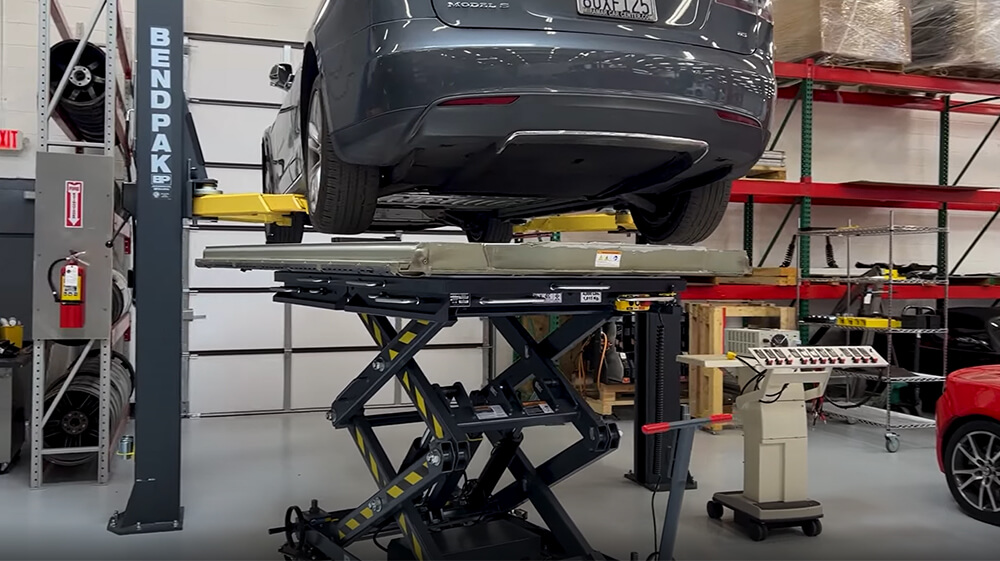
The replacement procedure follows clear steps. First, the old battery is disconnected and removed. Then, the new battery is installed and connected carefully. Finally, the system is tested to confirm proper function.
| Step | Action |
|---|---|
| 1 | Disconnect and remove old battery |
| 2 | Install new battery |
| 3 | Reconnect and test system |
The entire process usually takes 1 to 3 hours. Time can vary depending on the vehicle model and service center. Booking an appointment ahead is recommended to avoid waiting.

Battery Care Tips
Use smart charging to protect your electric vehicle battery. Avoid charging it to 100% every time. Charging to about 80% helps extend battery life. Also, don’t let the battery run down to zero. Keep the charge level between 20% and 80% for best results.
Temperature affects battery health a lot. Try to park in the shade during hot days. In cold weather, keep the car indoors if possible. Extreme heat or cold can reduce battery capacity and shorten its lifespan.
| Maintenance Task | Frequency | Purpose |
|---|---|---|
| Battery health check | Every 6 months | Detect early signs of wear |
| Software updates | As recommended | Improve battery management |
| Clean battery terminals | Every year | Prevent corrosion and poor contact |
Choosing The Right Battery
OEM batteries come from the vehicle’s original maker. They fit perfectly and keep your EV working like new. These batteries often have better quality and warranty, but they cost more.
Aftermarket batteries are made by other companies. They are usually cheaper and may offer good value. Quality can vary, so check reviews and warranty carefully.
| Factor | OEM Batteries | Aftermarket Batteries |
|---|---|---|
| Cost | Higher | Lower |
| Quality | Consistent and high | Varies |
| Warranty | Longer and reliable | Shorter, varies |
| Compatibility | Exact fit | May need checks |
Battery capacity affects how far your car can go. Higher capacity means longer driving range.
Performance depends on battery quality and age. Older batteries may hold less charge.
Check compatibility carefully. The battery must fit your EV model. Wrong batteries can cause damage or poor performance.
Environmental Impact
Battery recycling helps reduce waste and saves natural resources. Used electric vehicle batteries contain valuable metals like lithium, cobalt, and nickel. Recycling these metals lowers the need for new mining, cutting down environmental damage. Many companies now offer battery recycling programs to handle old EV batteries safely.
Replacing EV batteries cuts down the carbon footprint compared to making new ones from scratch. Recycling uses less energy than mining and refining raw materials. This process helps reduce greenhouse gas emissions and pollution.
Sustainability in battery production focuses on using eco-friendly methods and materials. Makers aim to reduce harmful chemicals and increase battery life. Using recycled materials also supports a greener supply chain. This approach helps protect the planet while meeting growing demand for electric vehicles.
Common Battery Issues
Battery degradation happens due to heat, overcharging, and age. High temperatures damage battery cells faster. Charging the battery too often or fully can reduce its life. Batteries also lose capacity after many charge cycles. Dirt and moisture can cause connection problems inside the battery pack.
Diagnostic tools help find battery issues. A battery management system (BMS) monitors voltage, temperature, and current. Scan tools can read error codes from the car’s computer. Testing the battery’s state of health (SoH) shows how much capacity remains. Simple testers measure voltage and resistance to find weak cells.
- Check battery connections for corrosion or loose wires.
- Test voltage levels regularly to spot drops early.
- Use a scan tool to read diagnostic trouble codes.
- Keep battery cool to slow degradation.
- Avoid full charges and deep discharges when possible.
.jpg)
Cost-saving Strategies
Extended warranties help save money on electric vehicle battery replacement. They cover repair costs for several years. This reduces unexpected expenses. Many manufacturers offer these warranties when buying the car. Check the terms carefully to understand what is included.
Government incentives can lower the cost too. Some states give rebates or tax credits for battery replacements. Look for local programs in Austin, Texas. These incentives make battery replacement more affordable and encourage cleaner transportation.
DIY replacement might seem cheaper but can be risky. Electric vehicle batteries are complex and dangerous if handled incorrectly. Professional replacement ensures safety and proper installation. Certified technicians have the right tools and knowledge to do the job well.
Frequently Asked Questions
What Is The Average Cost Of Replacing A Battery In An Electric Car?
The average cost to replace an electric car battery ranges from $3,000 to $7,000. Prices vary by model and battery size.
Is It Worth Replacing An Electric Car Battery?
Replacing an electric car battery can be worth it if the battery’s condition severely reduces range. Costs vary but remain high. Many batteries outlast the vehicle, so replacement is often unnecessary. Evaluate battery health and vehicle value before deciding.
What Is The Lifespan Of An Electric Car Battery?
Electric car batteries typically last 8 to 15 years or 100,000 to 200,000 miles before needing replacement. Proper care extends lifespan.
What Is The Biggest Weakness Of The Electric Car?
The biggest weakness of electric cars is limited driving range and long charging times compared to gasoline vehicles. Charging infrastructure remains insufficient.
Conclusion
Electric vehicle battery replacement is an important topic for EV owners. Batteries wear down over time and may need changing. Knowing when and where to replace your battery can save money. Quality service and proper care extend battery life. Austin, Texas has many reliable options for battery replacement.
Regular checks keep your EV running smoothly. Staying informed helps you make smart decisions about your vehicle. Battery replacement is part of owning an electric car. It keeps your ride efficient and eco-friendly.
Read More
- International Driving Permit Guide: Essential Tips for Global Travel
- Brake Replacement Cost Estimate: Save Big with These Expert Tips
- Preventive Car Maintenance Checklist: Essential Tips for Longevity
- Commercial Driver Insurance Rates: How to Save Big in 2026
- Driver License Renewal Online: Quick, Easy, and Stress-Free Steps
- High Mileage Driver Insurance: Save Big with Smart Coverage Choices
- Winter Driving Safety Tips: Essential Strategies for Cold Roads
- Delivery Driver Insurance Coverage: Essential Protection Tips
- Balloon Payment Car Finance: Smart Tips to Save Big Today
- Advanced Driving Lessons Cost: Ultimate Guide to Affordable Excellence
