
Preventive Car Maintenance Checklist: Essential Tips for Longevity
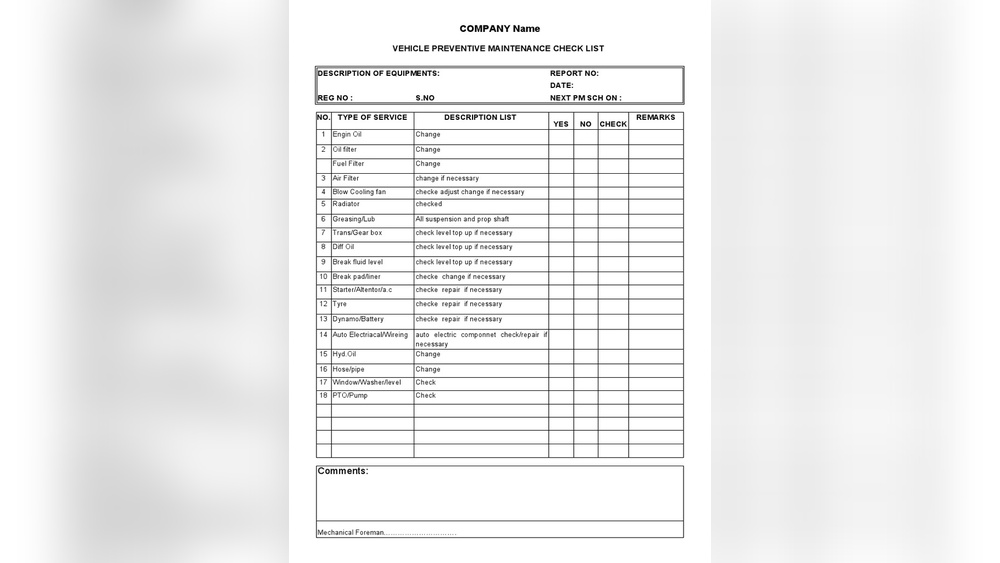
Keeping your car in top shape doesn’t have to be complicated or overwhelming. By following a simple preventive car maintenance checklist, you can avoid unexpected breakdowns, save money on costly repairs, and ensure your vehicle runs smoothly every day.
This checklist is designed just for you—covering the key areas that need regular attention to keep your car safe and reliable. Ready to take control of your car’s health and enjoy peace of mind on every drive? Keep reading to discover the easy steps you can start today.
Routine Fluid Checks
Engine oil keeps the engine parts moving smoothly. Check oil level regularly and change the oil filter as needed. Clean oil prevents engine damage and improves performance.
Coolant helps stop the engine from overheating. Make sure the coolant level is full and the fluid looks clean. Replace old or dirty coolant to avoid engine problems.
Brake fluid is vital for safe stopping. Inspect the fluid level and color often. Dark or low brake fluid means it needs to be replaced or topped up.
Power steering fluid makes turning the wheel easier. Check its level and add fluid if it is low. Proper fluid levels keep steering smooth and responsive.

Tire Care
Check tire pressure at least once a month and before long trips. Proper pressure improves fuel efficiency and safety. Use a reliable gauge to measure pressure when tires are cold. Follow the car manual for the correct PSI levels.
Inspect tread depth regularly. Tires with low tread can be dangerous, especially on wet roads. Use a penny or tread depth gauge to check. Uneven wear may show alignment or suspension problems.
| Tire Rotation Schedule | Details |
|---|---|
| Every 5,000 to 7,000 miles | Rotate tires to ensure even wear and longer life. |
| Front to Rear | Swap front tires with rear tires; patterns depend on tire type. |
Wheel alignment and balancing keep your car stable and prevent uneven tire wear. Get alignment checked if the car pulls to one side or after hitting a pothole. Balancing reduces vibrations and extends tire life.
Battery Maintenance
Battery charge should be checked regularly to ensure the car starts well. Use a voltmeter or visit a mechanic for testing. A healthy battery usually reads between 12.4 and 12.7 volts when the engine is off. Cleaning battery terminals and connections helps prevent corrosion and poor contact. Use a mixture of baking soda and water to clean the terminals, then dry them thoroughly. Tighten loose connections to avoid starting issues.
Replacing old batteries is important. Most car batteries last about 3 to 5 years. Signs of a weak battery include slow engine crank and dim lights. Replace the battery before it fails to avoid getting stranded. Always dispose of old batteries safely at designated recycling centers.

Brake System Checks
Brake pad thickness should be checked regularly. Thin pads reduce stopping power and increase risk. Pads thinner than 3mm need replacement. Rotor condition is also important. Look for grooves, cracks, or warping. Damaged rotors can cause vibrations and uneven braking.
Brake fluid needs changing every 2 years or as per the car manual. Old fluid absorbs moisture, which harms braking. Use the correct fluid type for your car model. Emergency brake function must be tested often. It should hold the car firmly on slopes. If it feels loose or weak, get it repaired.
Filter Replacements
Engine air filters keep dirt and dust out of the engine. This helps the engine run better and last longer. Replace the engine air filter every 12,000 to 15,000 miles or as your car manual suggests.
Cabin air filters clean the air inside the car. They block dust, pollen, and pollution from entering the cabin. Changing this filter every 15,000 to 20,000 miles keeps the air fresh and the HVAC system working well.
Fuel filters stop dirt from reaching the engine’s fuel system. A clogged fuel filter can cause poor engine performance or stalling. Replace it every 20,000 to 40,000 miles based on your vehicle’s needs.
Belt And Hose Inspection
Check belts and hoses for cracks, frays, or wear regularly. Small cracks can lead to sudden failure and costly repairs. Feel the belts to ensure they are not too loose or too tight. Proper tension helps prevent slipping and damage. Misaligned belts cause uneven wear and reduce efficiency. Look for signs of rubbing or unusual noise as these can signal alignment issues. Replace any belts or hoses that show damage or stiffness. Use new parts recommended by the car manufacturer. Old or worn components can cause engine overheating or loss of power. Regular inspection helps keep your car running smoothly and safely.
Lighting And Wiper Checks
Check headlights and taillights for brightness and proper alignment. Replace any bulbs that are dim or burnt out. Ensure turn signals and brake lights are working correctly to keep you safe on the road.
Inspect windshield wiper blades for cracks or wear. Replace them if they leave streaks or miss spots during rain. Keep washer fluid levels full to help clear dirt and bugs from your windshield easily.
Engine And Transmission Care
Check spark plugs regularly for wear or buildup. Replace them if they look dirty or worn out. Good spark plugs help your engine run smoothly and save fuel.
Keep an eye on transmission fluid levels. Low fluid can cause shifting problems or damage. Use the right type and change it as recommended in your car manual.
The cooling system stops your engine from overheating. Check coolant levels and look for leaks. Make sure the radiator and hoses are in good shape. Flush the system as needed to keep it working well.
Leak Detection
Check under your car for fluid spots. These spots can show leaks from oil, coolant, or brake fluid. Use a bright flashlight to see clearly. Look for wet or shiny areas on the ground. Also, check the engine and around the tires for any drips or stains.
Lift the car carefully with a jack or use ramps. Wear gloves to protect your hands. Look underneath for any wet patches or puddles on hoses or pipes. Pay attention to the color and smell of fluids. Different fluids have different colors and smells which help identify the leak.
Fix leaks early to avoid costly repairs. Small leaks can turn into big problems fast. Track any leaks and visit a mechanic if unsure. Regular checks keep your car safe and reliable.
Seasonal Maintenance Tips
Winterizing your vehicle involves checking the battery, tires, and antifreeze levels. Use winter tires for better traction on icy roads. Keep windshield wipers in good shape and fill the washer fluid with freeze-resistant solution. Make sure the heater and defroster work well to keep windows clear.
Preparing for summer heat means checking the cooling system and radiator. Replace old coolant and inspect hoses for leaks or cracks. Tire pressure should be checked often, as heat can cause it to rise. Use sunshades and park in the shade to protect your car’s interior.
| Climate | Key Adjustments |
|---|---|
| Humid | Check for rust, keep the air conditioner running, and change cabin air filters often. |
| Dry | Use special lubricants for dry conditions and protect paint with wax to avoid cracking. |
Frequently Asked Questions
What Is The $3000 Rule For Cars?
The $3000 rule suggests spending no more than $3,000 on car repairs to keep costs manageable.
What Is The Most Common Preventative Maintenance Done On A Car?
The most common preventative maintenance on a car includes regular oil changes, tire pressure checks, and brake inspections. These tasks ensure safety, improve performance, and prevent costly repairs. Checking fluid levels and replacing filters also help maintain your vehicle’s reliability and longevity.
What Are The 7 Elements Of Preventive Maintenance?
The 7 elements of preventive maintenance are inspection, lubrication, cleaning, adjustment, testing, replacement, and record-keeping. These steps ensure equipment reliability and prevent breakdowns.
What Is The 30-60-90 Rule For Cars?
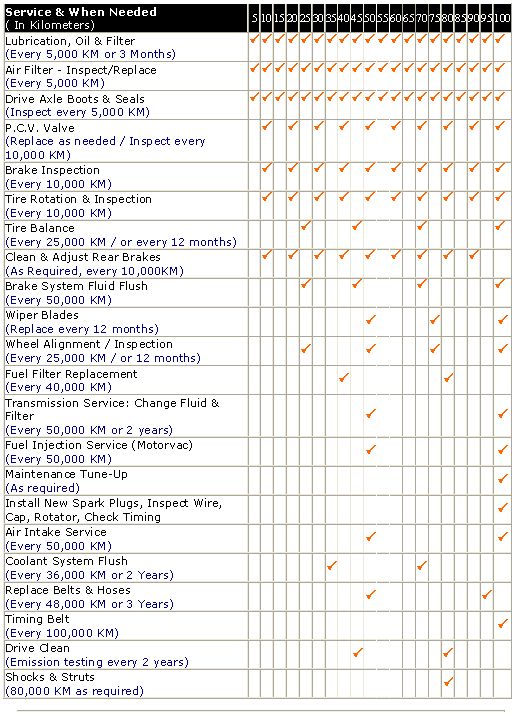
The 30-60-90 rule for cars guides maintenance at 30,000, 60,000, and 90,000 miles. It helps prevent breakdowns and costly repairs. Follow this schedule to check fluids, brakes, belts, and tires regularly. This rule extends your car’s life and improves safety.
Conclusion
Regular preventive car maintenance keeps your vehicle safe and reliable. It helps avoid costly repairs later on. Simple checks on tires, fluids, and brakes improve performance. Follow your car’s manual for the best service schedule. A small effort now saves time and money in the future.
Stay consistent with this checklist to enjoy smooth drives every day.
Read More
- International Driving Permit Guide: Essential Tips for Global Travel
- Brake Replacement Cost Estimate: Save Big with These Expert Tips
- Electric Vehicle Battery Replacement: Cost, Tips, and Lifespan Guide
- Commercial Driver Insurance Rates: How to Save Big in 2026
- Driver License Renewal Online: Quick, Easy, and Stress-Free Steps
- High Mileage Driver Insurance: Save Big with Smart Coverage Choices
- Winter Driving Safety Tips: Essential Strategies for Cold Roads
- Delivery Driver Insurance Coverage: Essential Protection Tips
- Balloon Payment Car Finance: Smart Tips to Save Big Today
- Advanced Driving Lessons Cost: Ultimate Guide to Affordable Excellence
