
First Time Car Buyer Loan: Essential Tips to Secure Your Deal
Buying your first car is exciting, but figuring out how to finance it can feel overwhelming. If you’re wondering how to get a loan as a first-time car buyer, you’re not alone—and there are ways to make the process easier for you.
Whether you have little credit history or just want to find the best deal, understanding your options can save you time, money, and stress. Keep reading to discover practical tips and insider advice that will help you secure a first-time car buyer loan with confidence.
Your dream car is closer than you think!

Loan Options For First-time Buyers
Traditional auto loans usually have fixed interest rates and set terms. They require a good credit score and steady income. Banks and online lenders offer these loans. Many first-time buyers may find it hard to qualify without credit history.
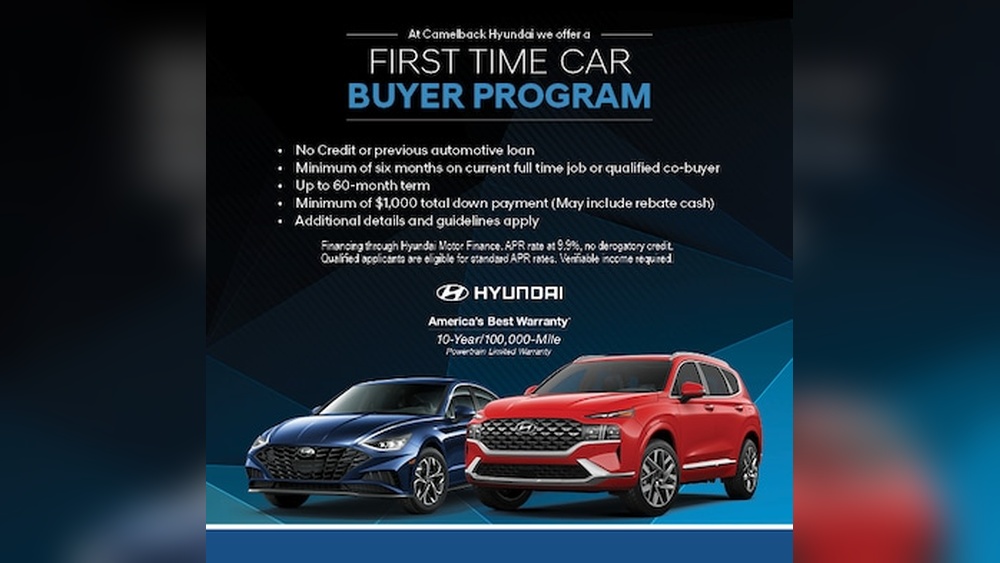
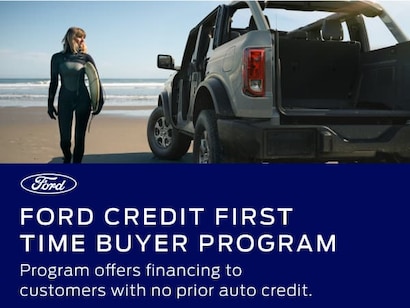
First-time buyer programs help those without credit history or with low scores. These programs offer lower down payments and flexible terms. Some dealers and banks provide special deals just for new buyers.
Credit union loans often have lower interest rates than banks. Credit unions are non-profit, so they pass savings to members. Joining a credit union can be a smart move for lower payments.
Manufacturer financing deals are offered by car makers. These deals may include low or zero percent interest. Sometimes they also provide rebates or cash back. They can make a new car more affordable for first-time buyers.
Credit Score And Loan Approval
Credit scores play a big role in loan approval and terms. A higher score often means lower interest rates and better loan options. Lenders see good credit as a sign of reliability.
To improve your credit before applying, pay bills on time and reduce debt. Check your credit report for errors and fix them quickly. Small improvements can boost your chances.
| Role | Benefit |
|---|---|
| Co-Signer | Helps secure loan if your credit is weak |
| Co-Borrower | Shares responsibility for loan payments |
A co-signer or co-borrower with good credit can improve loan approval odds. They reduce risk for lenders and may get you better loan terms.
Preparing Your Loan Application
Documents needed include proof of income, ID, and residence. Lenders want to see stable income and a clear address. Keep pay stubs, tax returns, and utility bills ready. A good credit report helps but is not always required.
Filling out applications early gives more time for review and fixes. Submit your forms as soon as possible to avoid delays. Early submission shows you are serious and prepared.
Avoid common mistakes like missing signatures or wrong numbers. Double-check all information before sending. Use clear handwriting if filling out by hand. Mistakes can cause rejection or slow the process.
Choosing The Right Loan Terms
Loan amount should be close to the vehicle price. Avoid borrowing too much to reduce extra costs. Check for hidden fees that raise the total loan amount. Keep your budget in mind when choosing a car and loan.
Interest rates affect how much you pay monthly and overall. Lower rates mean lower total costs. The APR includes interest plus fees, so watch this number closely. Compare offers from multiple lenders to find the best rate.
Loan duration changes your monthly payments and total interest paid. A shorter loan means higher payments but less interest. A longer loan lowers payments but costs more in interest. Choose a term that fits your monthly budget without strain.
Managing Your Budget
Total car ownership costs include more than just the loan payment. You must also pay for fuel, maintenance, insurance, and taxes. These costs add up each month and affect your budget.
A down payment lowers the loan amount and monthly payments. Saving even a small amount helps reduce interest costs. Aim for at least 10% to 20% of the car price.
Insurance costs vary by car type, age, and location. Check quotes before buying. Taxes and fees depend on state rules and can add thousands to the cost. Plan for these extra expenses to avoid surprises.
Negotiating Your Loan Deal
Compare loan offers from different lenders carefully. Look at interest rates, loan terms, and monthly payments. Choose the loan with the best overall deal, not just the lowest rate.
Pre-approval can help in negotiations. It shows sellers and lenders you are serious. It also gives you a clear idea of your budget and loan limits.
| Fee Type | Description |
|---|---|
| Origination Fee | Cost to process your loan application. |
| Late Payment Penalty | Extra charge if payments are late. |
| Prepayment Penalty | Fee for paying off the loan early. |
Ask about all fees and penalties before signing. Knowing these saves money and stress later. Always read the loan terms clearly.
Building Credit With Your Auto Loan
Making timely payments on your auto loan helps build a strong credit score. Each payment shows lenders you can manage debt responsibly. Late payments can hurt your credit and cost extra fees. Set reminders or automatic payments to avoid missing any due dates.
Monitoring your credit report is key to track your progress. Check reports from major credit bureaus at least once a year. Look for any errors and report them to fix mistakes. Watching your credit helps you understand how your loan affects your score.
Benefits of a positive payment history include easier loan approvals and better interest rates in the future. Good credit opens doors to higher credit limits and lower insurance costs. A clean payment record also gives peace of mind and financial freedom.

Frequently Asked Questions
Is It Hard To Get A First-time Car Loan?
Getting a first-time car loan can be challenging without credit history. Using a co-signer or exploring first-time buyer programs improves approval chances.
Is There A First-time Buyer Program For Cars?
Yes, many lenders and automakers offer first-time buyer programs. These help new buyers get approved and build credit with affordable loans.
How Much Would A $30,000 Car Loan Cost A Month?
A $30,000 car loan monthly payment depends on interest rate and loan term. For example, a 5% rate over 60 months costs about $566 per month. Rates and terms vary, so check with lenders for exact quotes.
What Is The $3000 Rule For Cars?
The $3000 rule for cars suggests spending no more than $3,000 on a used vehicle to avoid costly repairs. It helps buyers find affordable, reliable cars without overspending. This guideline aids first-time buyers in making smart, budget-friendly car purchases.
Conclusion
Getting a first-time car buyer loan can seem tough but is achievable. Prepare your documents and check your credit score before applying. Consider asking a family member to co-sign if needed. Choose a loan that fits your budget and pay on time.
This will build your credit and help with future loans. Stay patient and shop around for the best offer. Taking these steps makes buying your first car easier and stress-free. Your new car is within reach with the right loan plan.
Read More
- International Driving Permit Guide: Essential Tips for Global Travel
- Brake Replacement Cost Estimate: Save Big with These Expert Tips
- Electric Vehicle Battery Replacement: Cost, Tips, and Lifespan Guide
- Preventive Car Maintenance Checklist: Essential Tips for Longevity
- Commercial Driver Insurance Rates: How to Save Big in 2026
- Driver License Renewal Online: Quick, Easy, and Stress-Free Steps
- High Mileage Driver Insurance: Save Big with Smart Coverage Choices
- Winter Driving Safety Tips: Essential Strategies for Cold Roads
- Delivery Driver Insurance Coverage: Essential Protection Tips
- Balloon Payment Car Finance: Smart Tips to Save Big Today
