
Fleet Driver Safety Training: Boost Protection and Cut Risks
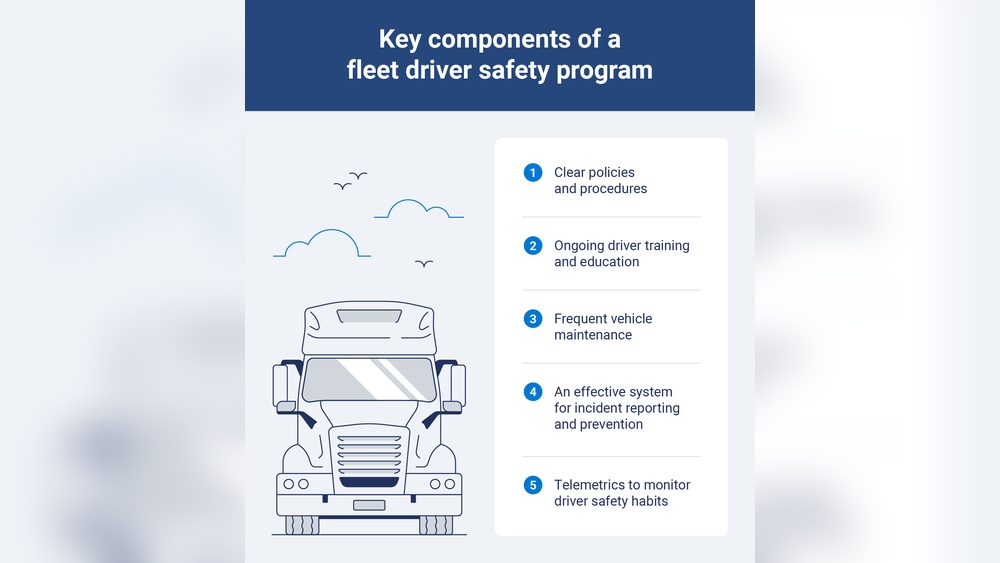
If you manage a fleet or drive for one, your safety on the road is crucial—not just for you, but for everyone around you. Fleet driver safety training isn’t just a box to check; it’s your best defense against accidents, costly damages, and lost time.
Imagine cutting down risks, avoiding common driving mistakes, and feeling confident behind the wheel every day. This training gives you the skills and knowledge to protect yourself, your passengers, and your company’s assets. Keep reading to discover how fleet driver safety training can transform your driving habits and make every trip safer and smarter.

Benefits Of Fleet Driver Safety Training
Reducing accident risks is a key benefit of fleet driver safety training. Drivers learn how to avoid hazards and respond to emergencies. Training helps lower chances of crashes and injuries on the road. Safer driving means fewer accidents and less downtime for vehicles.
Lowering operational costs happens because fewer accidents mean fewer repairs and insurance claims. Companies save money on vehicle maintenance and medical bills. Trained drivers also use fuel more efficiently, reducing expenses further.
Enhancing driver confidence is another important benefit. Drivers feel more prepared and less stressed. Training improves skills and knowledge, making drivers safer and more comfortable behind the wheel. Confident drivers are better at making quick, smart decisions.

Key Components Of Safety Training
Vehicle Dynamics Education helps drivers understand how their vehicles behave. It covers turning, braking, and handling in different conditions. Drivers learn how weight and speed affect control.
Distracted Driving Awareness teaches the dangers of using phones or eating while driving. It highlights how distractions increase crash risks. Staying focused keeps everyone safer on the road.
Fatigue Management Techniques show ways to recognize tiredness early. Drivers learn to take breaks and get enough rest. This lowers chances of falling asleep while driving.
Crash Response Procedures prepare drivers on what to do after an accident. It includes calling for help, securing the scene, and reporting the crash. Proper response can prevent further harm.
Developing A Safety Culture
Meeting regulatory requirements is essential for every fleet operation. Rules set by local and federal agencies ensure drivers and vehicles stay safe on roads. Training programs must align with these laws to avoid fines and legal issues. Regular updates to training keep fleets compliant with new regulations.
Achieving fleet safety certification shows a company’s commitment to safety. It often involves passing inspections and completing approved training courses. Certifications can improve company reputation and lower insurance costs. They also motivate drivers to follow safe practices consistently.
Maintaining documentation and records is critical for proving compliance. Logs of training sessions, driver performance, and vehicle inspections must be kept organized. These records help during audits and investigations. Digital record-keeping tools can simplify the process and reduce errors.
Training Delivery Methods
Training programs helped fleets cut incidents by up to 40%. Drivers learned safe driving habits and better vehicle handling. This led to fewer accidents and less downtime.
Fleets saved thousands of dollars on repairs and insurance. Reduced fuel waste and fewer fines also added to savings. Investing in safety training showed clear financial benefits.
| Driver | Testimonial |
|---|---|
| John D. | “The training made me more alert and confident on the road.” |
| Maria S. | “I now understand how to avoid risky situations better.” |
| James K. | “The lessons helped me keep myself and others safe.” |
Frequently Asked Questions
What Is Fleet Driver Safety Training?
Fleet driver safety training teaches drivers safe driving techniques. It reduces accidents, injuries, and costs for companies. Training covers vehicle handling, distracted driving, and defensive driving skills.
Why Is Fleet Driver Safety Training Important?
It helps prevent crashes and protects drivers and others on the road. Safety training reduces liability, insurance costs, and vehicle damage. It promotes a culture of safety within the fleet.
How Often Should Fleet Drivers Receive Training?
Drivers should receive training at hiring and refresher courses annually. Ongoing training reinforces safe driving habits and addresses new risks. Continuous education keeps drivers alert and compliant with regulations.
What Topics Are Covered In Fleet Driver Safety Training?
Common topics include defensive driving, vehicle maintenance, accident reporting, and distracted driving. Training also covers fatigue management, proper cargo handling, and regulatory compliance. These topics improve driver awareness and fleet safety.
Conclusion
Fleet driver safety training protects drivers and others on the road. It reduces accidents and lowers costs for companies. Regular training keeps drivers alert and aware of hazards. Safe driving habits lead to fewer injuries and less vehicle damage. Investing time in training shows care for employees and the public.
Consistent safety programs build a strong safety culture. Everyone benefits from safer roads and responsible driving. Keep your fleet moving safely with ongoing driver education.
Read More
- International Driving Permit Guide: Essential Tips for Global Travel
- Brake Replacement Cost Estimate: Save Big with These Expert Tips
- Electric Vehicle Battery Replacement: Cost, Tips, and Lifespan Guide
- Preventive Car Maintenance Checklist: Essential Tips for Longevity
- Commercial Driver Insurance Rates: How to Save Big in 2026
- Driver License Renewal Online: Quick, Easy, and Stress-Free Steps
- High Mileage Driver Insurance: Save Big with Smart Coverage Choices
- Winter Driving Safety Tips: Essential Strategies for Cold Roads
- Delivery Driver Insurance Coverage: Essential Protection Tips
- Balloon Payment Car Finance: Smart Tips to Save Big Today
